Benefits
Sauna
-
Cardiovascular Function:
Regular sauna use dilates blood vessels and improves circulation, helping regulate blood pressure and support heart health. The more frequently it's used, the greater the cardiovascular benefits, including reduced risk of heart disease and improved overall vascular function.
Stress Reduction:
Saunas offer a peaceful space to reset. By raising core body temperature, they help lower cortisol (the body’s primary stress hormone) and trigger the release of endorphins, leaving you feeling calm, balanced, and recharged.
Mental Health:
Just a few sauna sessions per week can reduce symptoms of anxiety and depression. Sauna use supports hormonal balance and has a stabilising effect on mood, offering long-lasting preventative mental health benefits.
Detoxification:
Raising core temperature through sauna use increases sweat production and blood flow to the skin, aiding in the natural elimination of toxins and promoting clearer, healthier skin.
Weight Management:
A sauna session elevates heart rate and metabolism in a way similar to low-impact cardio. This increase in metabolic activity can help burn calories and support steady, sustained weight loss when used consistently.
Anti-ageing & Skin Health:
By boosting circulation and promoting deep perspiration, sauna use encourages cell turnover and collagen production — improving skin tone, elasticity, and reducing signs of ageing. It also helps flush impurities that contribute to dullness, uneven texture, and enlarged pores.
Pain Relief:
Heat from the sauna relaxes muscles, loosens connective tissue, and improves blood flow — helping reduce inflammation, relieve chronic pain, and ease soreness in joints and muscles.
Immunity Support:
Sauna sessions mimic a mild fever response, helping the body create heat shock proteins and stimulate white blood cell production. This strengthens immune function and helps defend against common infections.
Sleep & Relaxation:
As your body cools after a sauna, it naturally transitions into a more restful state. Sauna use helps regulate body temperature and relieve physical tension, improving both sleep quality and your ability to unwind.
-
Muscle Growth & Strength Management:
Best time - At least 4-6 hours after training or on rest days.
Why - While sauna sessions aid in recovery by reducing inflammation and muscle soreness, using the sauna immediately after strength or hypertrophy-focused training can blunt muscle-building signals (like mTOR and satellite cell activation).
Sleep & Relaxation:
Best time - Evening, 1-2 hours before bed.
Why - Sauna use raises your core temperature, and as the body cools down afterwards, it triggers the natural sleep cycle. This timing helps the body transition into a restful state and promotes deeper, higher-quality sleep.
Stress Relief or Mood Support:
Best time - Late afternoon or evening, after a stressful day.
Why - Sauna sessions lower cortisol levels and release endorphins. Using the sauna at the end of the day helps the mind unwind, reduces mental tension, and supports emotional balance.
Muscle Recovery & Pain Relief:
Best time - Immediately post-workout or on rest/recovery days.
Why - Heat promotes circulation, reduces inflammation, and eases soreness in muscles and joints. Using the sauna after exercise helps flush out metabolic waste and supports recovery.
Weight Management & Metabolism:
Best time - Post workout or late morning to early afternoon.
Why - Elevated core temperature increases heart rate and metabolic activity. Using the sauna when your body is already warm helps amplify calorie burn and supports metabolic function.
Contrast Therapy
-
Cardiovascular Health:
Contrast therapy is associated with a 50% reduction in cardiovascular disease mortality, contributing to lower rates of chronic illness and increased longevity.
It also results in a 62% reduction in stroke events and a 46% reduction in the development of hypertension, supporting long-term heart and circulatory system health.Cognitive Function:
Frequent use of contrast therapy has been linked to a 65% and 66% lower incidence of Alzheimer’s disease and dementia, respectively, helping to protect brain health and cognitive longevity.
Stress Relief & Hormonal Balance:
Contrast therapy contributes to a 29% reduction in cortisol levels, promoting emotional regulation, lowering stress, and supporting mental wellbeing.
It also induces up to a 16-fold initial increase in human growth hormone, which plays a key role in muscular development, bone integrity, and glucose and insulin regulation.Cellular Repair & Immune Support:
Sessions promote a 48% increase in heat shock proteins, which are essential for cellular repair, immune function, musculature support, and healthy aging.
Sleep Quality:
By regulating core body temperature, contrast therapy supports more efficient sleep-wake cycling, helping the body transition into deeper, more restorative sleep.
-
Muscle Recovery (Post-workout relief)
Best time - Immediately after training or later that same day.
Why - Alternating between heat and cold increases blood flow, reduces inflammation, and flushes metabolic waste, speeding up recovery and reducing soreness without significantly interfering with performance gains.
Muscle Growth:
Best time - Contrast therapy on rest days or at least 6+ hours after training.
Why - Using a sauna and ice bath immediately after strength training can dampen key muscle-building signals by reducing inflammation too quickly, which may interfere with muscle protein synthesis and hypertrophy
Stress Relief & Mental Reset:
Best time - Late afternoon or evening.
Why - Sauna and cold immersion together help downregulate the nervous system, reduce cortisol, and promote mental clarity. Great for winding down after a demanding day.
Improved Sleep:
Best time - 1-2 hours before bedtime.
Why - The heat-to-cold cycle promotes parasympathetic activation and natural melatonin release. As your body cools post-session, it signals readiness for sleep and helps reset circadian rhythm.
Fat Mobilisation & Metabolic Support:
Best time - Morning or post workout.
Why - Contrast therapy increases heart rate and stimulates brown fat activation, especially when done after exercise. Morning use may boost energy and enhance daily calorie burn.
Mental Clarity & Energy Boost:
Best time - Morning or midday.
Why - Ice baths in particular trigger a dopamine and norepinephrine spike, improving alertness and mood. Paired with sauna, it leaves you energised and focused, perfect as a coffee alternative.
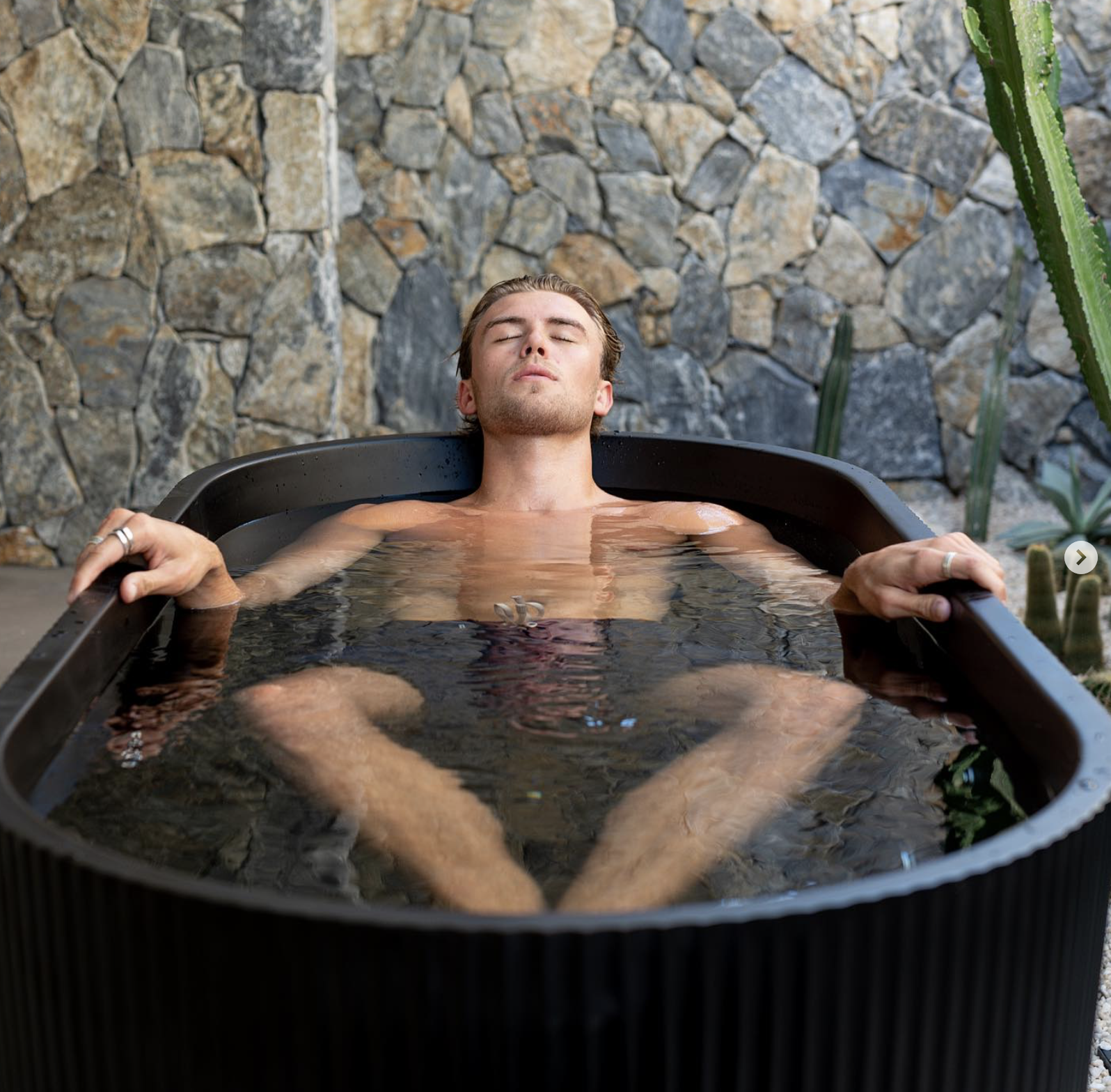
Ice Bath
-
Muscle Recovery & Inflammation Reduction:
The cold temperature constricts blood vessels and limits inflammatory response, helping to flush out metabolic waste like lactic acid and reduce swelling in overworked muscles. This makes it particularly valuable for athletes and physically active individuals recovering between sessions.
Mental Resilience & Mood Regulation:
Cold exposure activates the sympathetic nervous system and triggers a release of endorphins, dopamine, and norepinephrine. This creates a natural post-immersion "high" that boosts mood and improves mental clarity. Over time, ice baths help build psychological resilience by teaching the body how to remain calm under discomfort, reducing anxiety and enhancing emotional control.
Immune Function & Inflammation Control:
Regular cold immersion has been shown to stimulate the production of white blood cells and anti-inflammatory cytokines. This immune-boosting effect helps the body defend against illness, reduce chronic low-grade inflammation, and maintain better long-term health outcomes.
Metabolic Support & Fat Mobilisation:
Ice baths activate brown adipose tissue (brown fat), a special type of fat that burns energy to generate heat — a process called thermogenesis. Unlike regular fat, brown fat is metabolically active and difficult to stimulate through diet or exercise alone, making cold exposure one of the most effective and natural ways to engage it.
Sleep Quality & Nervous System Balance:
Although initially stimulating, ice baths lead to a parasympathetic rebound — shifting the body into a relaxed state post-exposure. This nervous system reset promotes better sleep by lowering stress hormones and helping the body transition into a true resting state, especially when used a few hours before bedtime.
Stress Relief & Cortisol Regulation:
Cold water immersion is a powerful tool for regulating stress responses. It helps reduce baseline cortisol levels and improves the body’s ability to adapt to physical and emotional stress. Incorporating ice baths into a routine can lead to long-term reductions in stress-related symptoms and improved mental focus.
-
Maximising Post Workout Recovery:
Best time - Within 30 minutes post-session.
Why - High Intensity cardio creates micro-trauma in muscles and systemic inflammation (increased cytokines, metabolic waste). Immediate cold exposure helps limit inflammation, flush waste, and reduce delayed-onset muscle soreness. The cold water immersion prevents excessive muscle damage and speeds up recovery for next-day training.
Competition Days
Best time - Immediately after competition or between events.
Why - Competition stresses the body through both neuromuscular fatigue and central nervous system fatigue. Ice baths reset the system: lower core body temperature, manage swelling, reduce nerve firing rates (helping muscle “recharge”). This type of recovery helps maintain performance quality for multi-day or multiple-event competitions.
Injury Management/Excessive Swelling
Best time - As soon as possible post-incident or after training aggravates symptoms.
Why - Acute injuries cause excessive localised inflammation (swelling, pain, heat). An early cold therapy constricts blood vessels (vasoconstriction), limiting swelling and tissue damage. This process helps control pain naturally without medication and speeds up first-stage healing.
Muscle Building:
Best time - Avoid immediately post-workout delay ice bath for 4-6+ hours or use on rest days.
Why - Strength training creates intentional micro tears in muscle fibres. Controlled inflammation triggers satellite cell activation - critical for muscle repair and growth (hypertrophy). Immediate cold exposure blunts this inflammation, reduces anabolic signalling (mTOR pathways), and can reduce long-term strength/muscle gains.
Sleep Quality & Stress Relief
Best time - Afternoon cold dip.
Why - Adequate sleep helps regulate cortisol, the body’s primary stress hormone. Disrupted sleep can lead to elevated cortisol levels, increasing stress and anxiety. Post-cold plunge, the body naturally enters a deeper relation state, helping lower cortisol levels and promote mental calmness. Gaining consistent, quality sleep results in emotional stability, reducing susceptibility to stressors and improving overall mood.
Morning Energy & Alertness
Best time - Early Morning cold dip before work.
Why - Cold water immersion increases adrenaline, dopamine, and norepinephrine levels, neurotransmitters responsible for alertness, focus, and energy. An early morning ice bath can enhance mental clarity, boost motivation, and elevate mood throughout the day. Scientific studies suggest “Cold plunges can naturally replace caffeine or stimulants as a healthy morning energiser”.
Fat Mobilisation During Sleep
Best time - Early morning ice baths, on an empty stomach or about an hour after a moderate workout could also be effective.
Why - Ice baths stimulate brown adipose tissue (BAT) — a type of fat that burns calories to generate heat. Activating brown fat increases metabolic rate, helping the body burn more stored fat even after the session. Unlike regular fat, brown fat is metabolically active and difficult to stimulate through diet or exercise alone, making cold exposure one of the most effective and natural ways to engage it.
Stress Relief and Resilience
Best time - During periods when you typically experience higher stress levels.
Why - Repeated ice bath exposure builds resilience to physical and mental stress by training the nervous system to adapt to controlled discomfort. This translates into lower baseline anxiety, better emotional regulation, and improved daily stress tolerance.
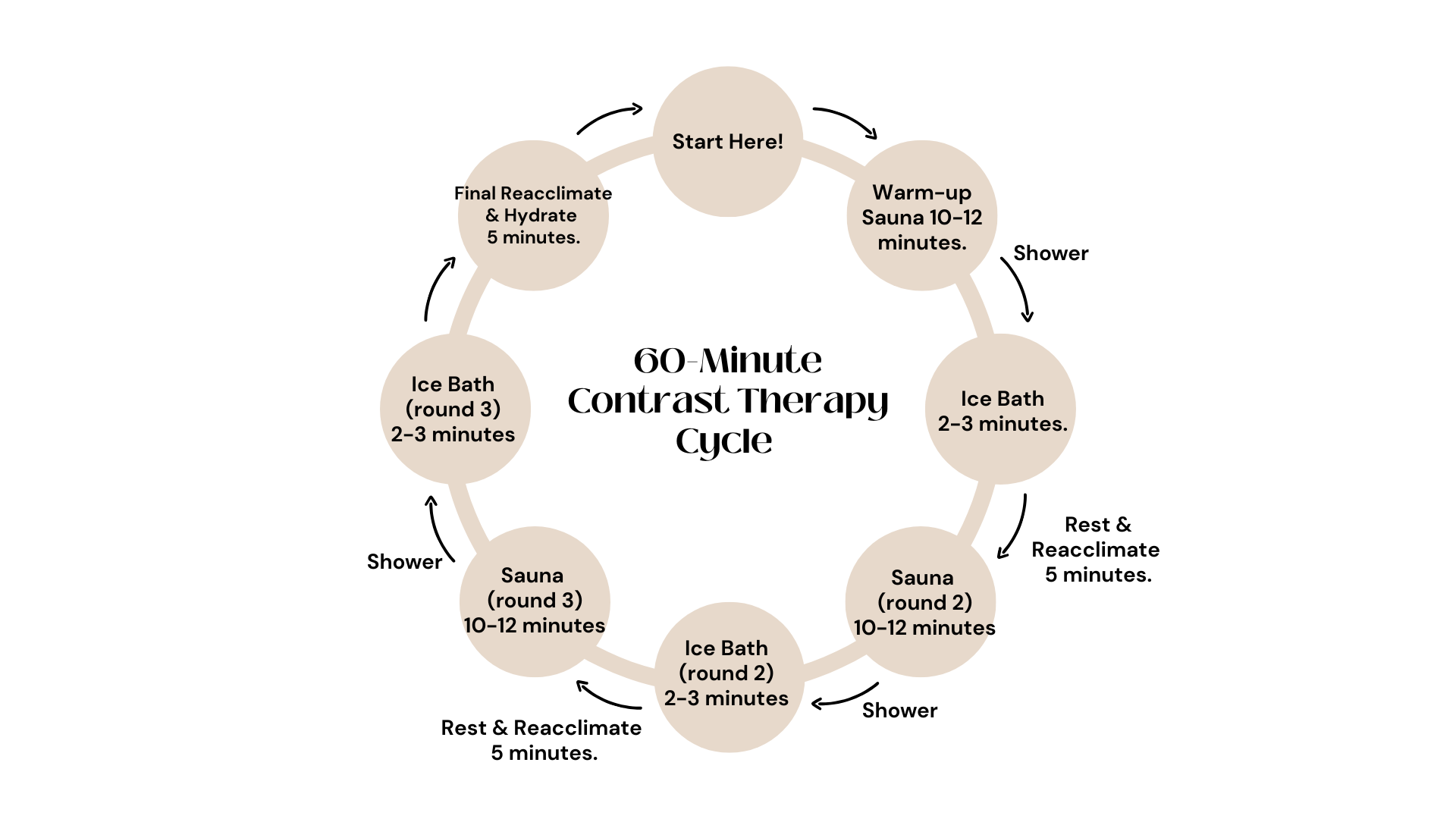
Beginners Cycle:
2 rounds
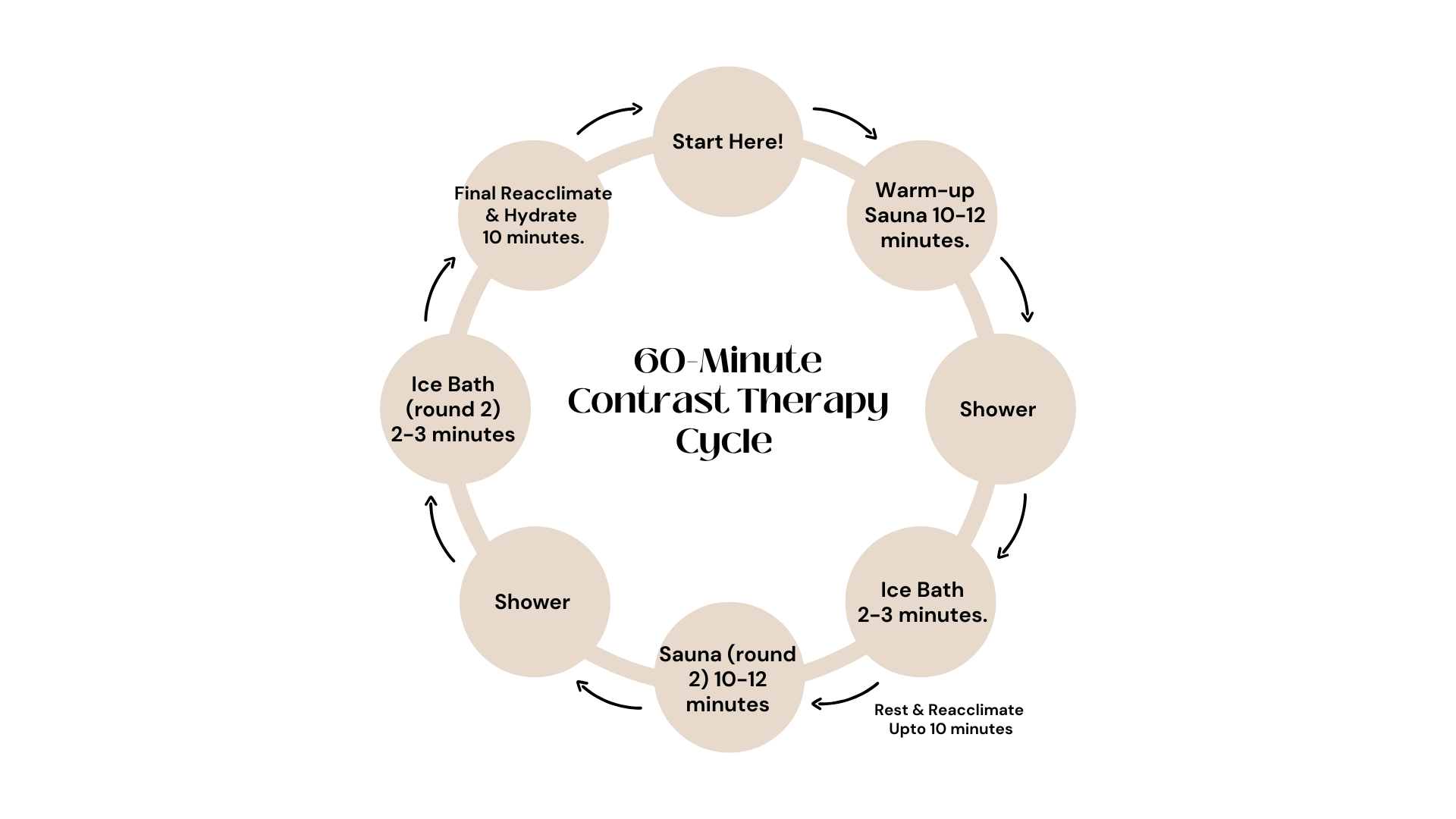
Advanced Cycle:
3 rounds